Building Tips
How to Upgrade a Gas Line for Your Property: A Step-by-Step Guide
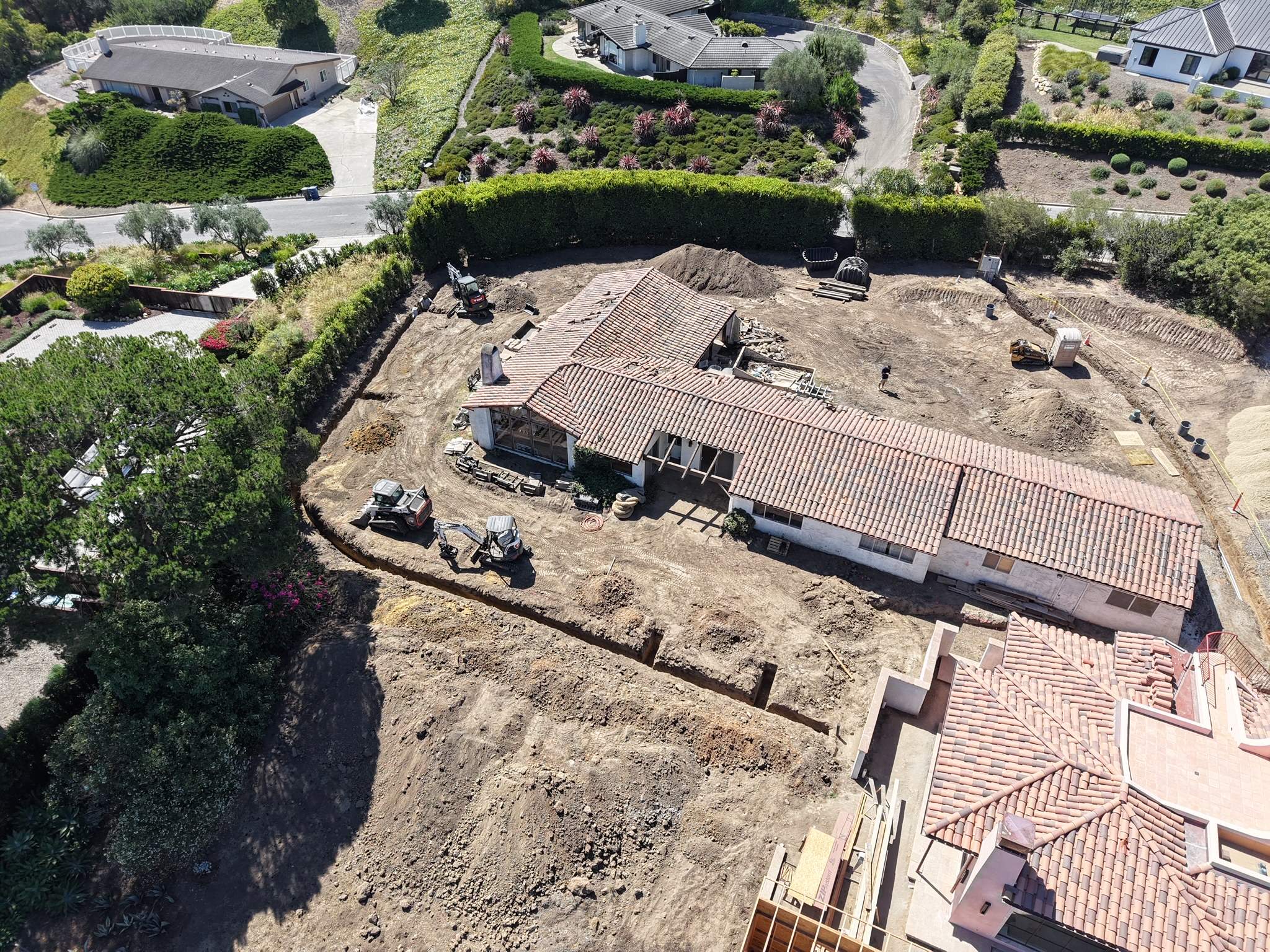
Upgrading a gas line for a home or estate property requires careful planning, strict adherence to code, and close coordination with your local gas company. It’s a process that involves multiple inspections, utility locates, and approvals — and one misstep can delay your project for weeks.
We’ve completed dozens of residential gas line upgrades across Santa Barbara County, from compact ADUs to large estate properties with multiple appliances and long underground runs. Here’s the process we follow to ensure the work is done safely, efficiently, and to code.
1. Locate Existing Utilities and Mark Gas Lines
Before you do anything, contact DigAlert (dial 811) to have all underground utilities marked. This ensures safety and helps identify the location of the existing gas meter and supply line.
Once the site is marked, shut off the gas supply. In most cases, your local gas company must perform the shutoff and disconnect the existing gas meter.
2. Determine the New Gas Meter Location
Reference your project’s plan set to determine the best and most accessible spot for the new gas meter. Follow general guidelines:
- Maintain 6 feet of separation from other utilities.
- Avoid placing meters near driveways or heavy traffic areas.
- Ensure clear access for inspections and future maintenance.
Your gas company representative will typically visit the site and stake the approved meter location.
3. Confirm Gas Loads and System Design
During the gas company’s site walk, they’ll need a list of all gas-powered appliances and their BTU ratings to confirm proper meter sizing and line pressure.
In our example project, the system included:
- 1 backup generator
- 3 water heaters
- 4 fireplaces
- A few capped future lines (for flexibility)
Because the property included both a Main House and a Guest House with a long line run, we opted for a medium-pressure system and a 2” gas line to handle the total load efficiently.
4. Install Interior Gas Lines
Inside the structures, we install all interior branch lines and bring them to the designated appliance locations. These lines terminate at a main exterior gas connection point, typically on the side of the house closest to the planned meter location.
5. Trenching and Installing the Main Gas Supply
With interior runs complete, we trench from the house connection point to the meter location.
- Use 2” polyethylene (poly) gas pipe rated for underground use.
- Place the line in a bed of washed plaster sand to prevent abrasion.
- Follow code minimum trench depths (typically 18-24” for residential, but verify with your AHJ).
- Shade the pipe with additional plaster sand and call for inspection.
Once the trench passes inspection, install transition fittings where the gas line comes above ground — transitioning from poly to steel pipe at each riser.
6. Pressure Testing and Inspection
Before the gas company connects service, the system must be pressure-tested and inspected.
- Install a gas regulator at the meter location.
- Perform a pressure test at 15 psi for 2 hours — no leaks allowed.
- Once the inspector signs off, you’ll receive:
- “OK to cover” approval
- A meter release
This documentation clears you for gas service installation.
7. Coordination with the Gas Company
The gas company will ask who’s responsible for trenching and street repair.
- We typically handle all trenching on the property up to the property line.
- The gas company handles all street work, including trenching in the public right-of-way, tapping the main, and road surface restoration.
At this stage, the gas company will:
- Pothole the street to locate the main gas line.
- Weld a T-fitting to the gas main.
- Run a new line from the T to the meter stub-up in steel pipe.
- Tap the T and cap it.
Once complete, your gas service is officially stubbed to your property.
8. Final Meter Set and System Connection
After the gas company confirms the service line installation, schedule a final site walk. Once all requirements are met and your account is active, they’ll set the gas meter.
The meter functions as the connection point between the city supply and your property system, measuring all gas flow from the street to the home.
Once set, conduct a final pressure test to confirm integrity — and your gas system is operational.
Pro Tips from the Field
- Schedule carefully. Gas company appointments are limited; if you’re not ready, you could face weeks of delays.
- Keep all inspections ahead of utility scheduling. Don’t call for meter set until you have city approval and meter release paperwork in hand.
- Document trench depths and pressure test results for final record.
- Communicate early about street work responsibilities to avoid scope confusion.
Summary
Upgrading a gas line is one of the more complex phases of a remodel or estate build in Santa Barbara. It involves utility coordination, inspection sequencing, and strict adherence to code. Working with an experienced contractor who understands gas company procedures, city inspection protocols, and proper material use ensures the process stays safe and efficient from trench to meter set.